Context window: meaning and practical example
A context window limits how much information a model can consider during one processing operation, usually measured in tokens. It can include instructions, available conversation history and supplied material. It is different from knowledge learned during training or a product’s persistent memory.
Also known as: context length
At a glance
- A token is not the same unit as a word or character.
- A larger window accommodates more material without guaranteeing correct processing.
- Conversation history, persistent memory and retrieved sources are separate concepts.
On this page
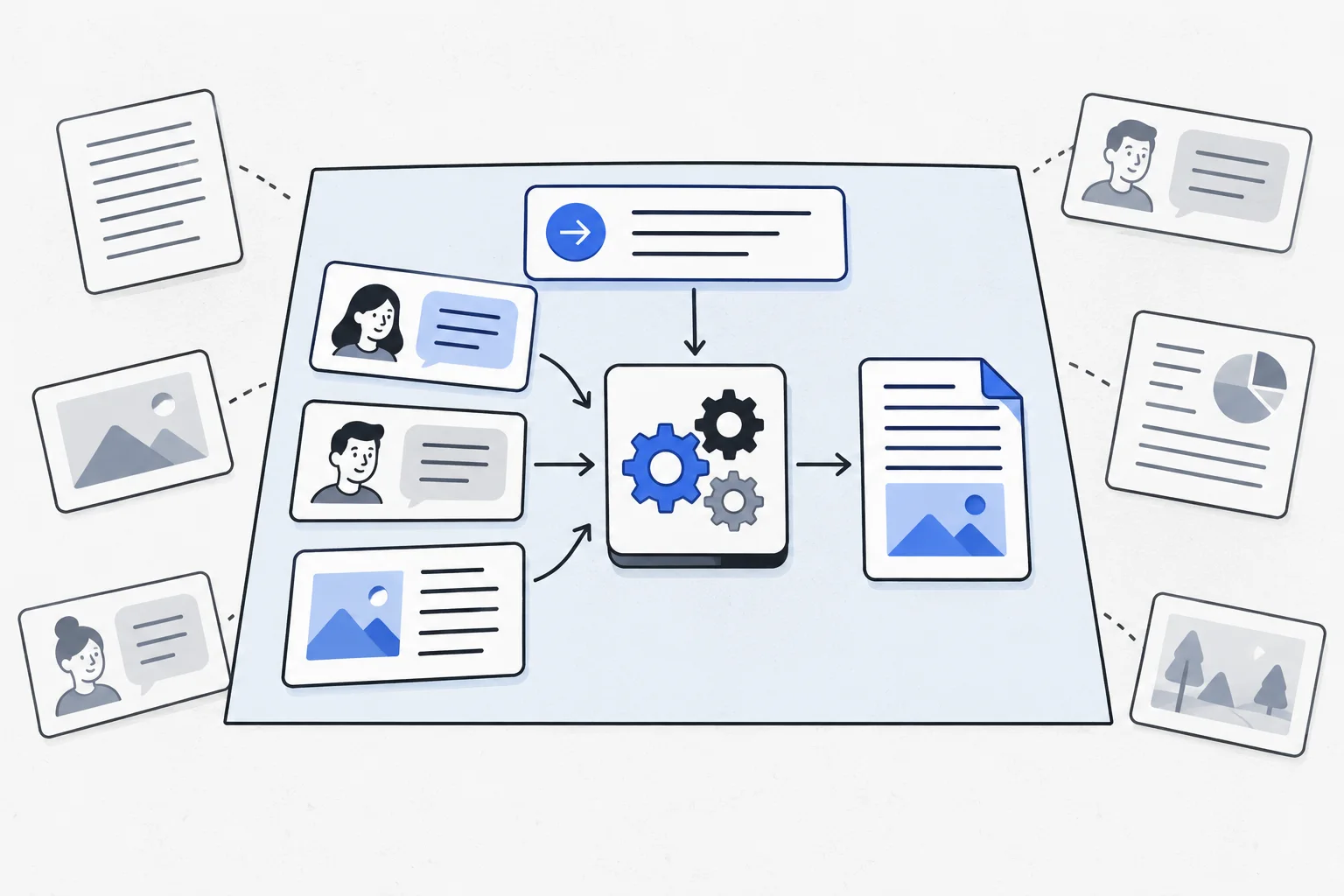
What can fit into the context?
A model may receive instructions, earlier messages and material to process. Together these form the information currently available for the task. The context window limits how much can be handled in one operation; the precise accounting and space needed for output depend on the model.
Google's long-context guide discusses this limit and larger inputs. There is no universal page count covering every AI product. Language, formatting and other content affect how material fits.
What is a token?
A large language model processes text using units called tokens. A token may be a word, part of a word or another unit. “One hundred pages” and “ten thousand words” therefore differ from a token count.
Hungarian and English phrases that appear equally long may be split differently. Images and other input formats also have product-specific handling. When task size matters, check the system's actual limits and counting method rather than treating a general conversion ratio as a precise measurement.
The AI token is the counting unit; the context window is the capacity constraint. When preparing a long task, count the actual input with the relevant tokenizer and allow for output according to that model’s rules. A file that fits a storage upload limit may still exceed the model’s usable context, because file size and token capacity measure different things.
How does it differ from memory or training?
Context is information available for the current operation. Model training is a separate process, and persistent memory may be another product feature. Supplying a document once does not mean its complete contents remain available in every later conversation.
In conversational search, history handling varies by application. A product may summarize a long conversation or pass only parts onward. Do not automatically assume every condition from the beginning remains unchanged in the next response's input.
Example: several versions in one conversation
Imagine an agency drafting a service page. It first supplies old prices, then new packages, then changes the intended audience several times. Without clear version authority, more information can create confusion instead of helping.
In the next prompt, summarize the currently approved conditions and distinguish discarded versions. This illustrates a working method, not the internal memory behavior of a particular system. Its purpose is to make the task and authoritative material clear.
The final text still needs review. A new summary can itself omit an important condition.
How does retrieval fit in?
RAG can find relevant document excerpts and include them in the response input. This can avoid supplying every available document at once. Selecting useful material remains a separate task that can fail or omit something important.
For grounding, the necessary evidence must actually be available and used correctly. A large context window alone ensures neither relevant selection nor accurate interpretation.
What makes a larger window useful?
Give long material structure: clear titles, versions and separated documents make processing and review easier. State the question and identify authoritative sources. Additional input is valuable when it contributes relevant details.
Assess the result against specific claims. Did it find the important exception, choose the current version and keep the parties distinct? These questions say more about success than the context-window figure on a product specification sheet.