Content refresh: meaningful improvements to an existing page
A content refresh substantively improves an existing page so that its information becomes more accurate, current or useful. It may involve checking sources, correcting errors, adding examples or explaining missing details. Changing a date alone is not a content refresh, and a newer date does not automatically improve rankings.
Also known as: Article update · Content update
At a glance
- Refresh content because claims or reader needs have changed.
- Dates should reflect real editorial work rather than substitute for it.
- Check related titles, links, images and sources after changing the text.
On this page
When does an article need attention?
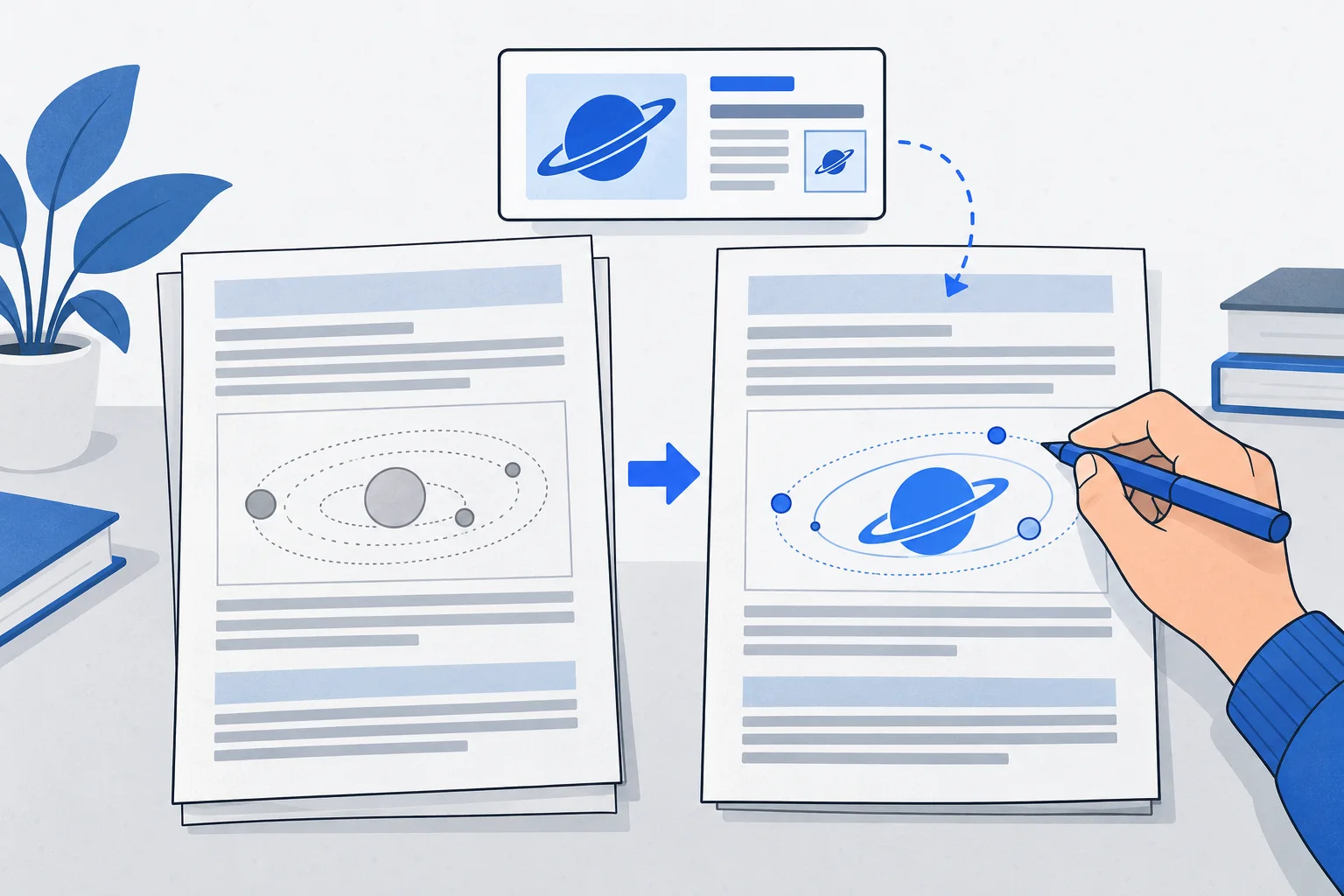
Refresh a page when information becomes inaccurate, a service changes, a frequent new question emerges or readers struggle to understand the explanation. An old date alone is insufficient. A stable definition can remain correct for years, while a new article can be wrong on publication.
A content audit helps prioritize by the importance of the error, affected decisions and actual use. Correcting a misleading service condition may matter more than polishing an otherwise accurate paragraph.
Content decay describes deterioration that a refresh may address, such as recommending a discontinued service or missing an important new question. Falling traffic alone does not establish decay. First distinguish a content problem from seasonality, changing demand and measurement issues.
What counts as a substantive improvement?
Examples include correcting a changed product capability, fixing a calculation, incorporating a relevant primary source or explaining an omitted exception. Reorganizing a confusing answer can also improve usefulness. Character count is not the measure.
Publication and update dates should consistently describe the page’s real history. A new date on unchanged content can create a misleading impression. Keep a brief factual reason for the update. Google’s date guidance
Check more than the main paragraph
Does the title still make the same promise as the revised article? Check the title tag, introduction, captions and offer. An old claim may survive in another part of the page after the body is corrected.
Review relevant links as part of on-page SEO. A changed service may require a different destination. An accessible source URL does not prove that the document still supports the claim, so inspect its current scope too.
Example: a coworking office
Imagine a Budapest coworking office changing its meeting-room cancellation conditions and guest entry process. Its existing article still loads perfectly but now gives misleading instructions.
The editor confirms the current process with its owner, updates the relevant sections, revises the example and corrects the final next step. The related service page is checked because it repeats the old condition. The update date reflects the actual work.
The direct result is accurate booking information. This example does not promise more search clicks. Any later performance change needs separate evaluation alongside other changes during the period.
Does everything need rewriting?
Keep accurate, effective sections. A complete rewrite can be justified when the page’s purpose changes, but it is not mandatory for every correction.
For evergreen content, separate stable explanations from details likely to change. Maintenance can then address the specific problem without recreating the whole article. Content maintenance guidance
Content repurposing is a different task: a guide might become a usable checklist. Producing that checklist does not make the original guide more current or accurate. If the source contains an incorrect condition, correct it first, then check the new format and existing derivative versions.
Close with editorial review
Use editorial review to verify the new claim, clarity and continued purpose. Record what changed, why and which evidence supported it. Make important corrections understandable to readers, particularly when correcting an earlier error.
The goal is a more trustworthy answer. Keep the verified editorial outcome distinct from any subsequent search result. Helpful content guidance