Evergreen content: meaning and practical example
Evergreen content answers a reader question that remains relevant for a long time, such as a definition or guide to enduring selection criteria. Evergreen does not mean every detail remains true or the page needs no maintenance: sources, examples and product conditions can become outdated.
Also known as: lasting content
At a glance
- A lasting topic differs from continuously current copy.
- Evergreen topics can still have seasonal demand.
- Update dates should reflect real review or content changes, not cosmetic freshness.
On this page
What makes a topic enduring?
The need is not tied to one news event or short promotion. New readers repeatedly want to understand the same concept, distinction or process. The page can remain an entry point if its explanation stays accurate.
Search intent may describe a lasting need, such as understanding a material. Wording and required details can still change when new technology, products or customer situations emerge.
How does it differ from news or an offer?
An opening date or temporary discount concerns a specific event. It may retain historical value without serving the same role as a general guide. Readers should recognize when an offer has expired.
Evergreen does not require dateless publication. Google's date guidance addresses consistent publication information. An updated date should correspond to meaningful review or change rather than an attempt to look newer.
Why can evergreen demand be seasonal?
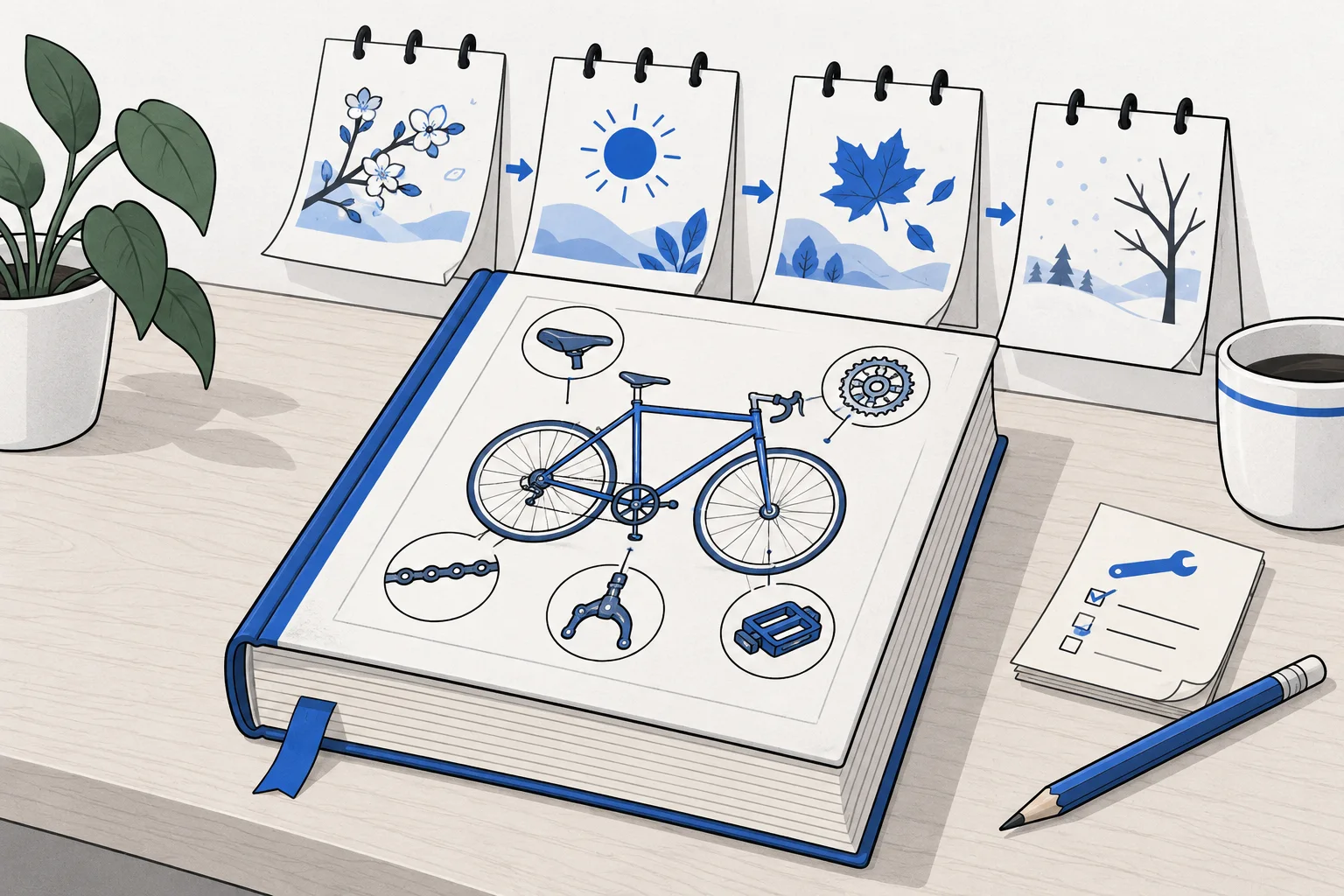
Lasting relevance and demand distribution are separate. Winter-tire questions recur annually without equal interest every month. Search trends can reveal that pattern.
Average search volume may hide a seasonal peak. Plan maintenance around likely use, while remembering that timing neither replaces source checks nor guarantees rankings.
Example: a furniture maker in Szentendre
Imagine a guide comparing solid wood and veneered surfaces. Buyers repeatedly encounter those terms, so accurate material descriptions and clearly identified workshop examples can remain useful.
A year later, the workshop adopts a different finish. The core distinction remains, but the current-offer section and care example need review. Separate general explanation from company-specific conditions.
An evergreen page still needs an owner. Its useful URL and core explanation can remain while images, sources and examples change. Creating a nearly identical annual article merely to add a year is unnecessary.
Which details age faster?
Prices, product features, interface labels, rules and service conditions often change faster than a concept. Identify them clearly to make content refreshes systematic. Sources and dates help review.
GOV.UK maintenance guidance distinguishes corrections and handling outdated material. Retain an older page when its role is clear. Age alone proves neither value nor uselessness.
How should you choose topics?
Look for recurring customer questions and concepts needed to understand the service. Choose subjects where you can provide a verifiable explanation, complete within its stated scope and including important exceptions.
A content audit can check whether the page still serves that purpose. Evergreen value is the possibility of a durable answer, not a guaranteed traffic curve. Accurate writing and maintenance sustain it.