Service page: what you offer, who it serves and how it works
A service page presents a particular service with the information a prospective customer needs to decide. It explains who the service is for, what it includes, how to use it and any important conditions or limitations. The next step may be requesting a quote, booking or selecting a suitable package.
At a glance
- Connect the actual service with the customer’s decision questions.
- A generic benefits list cannot replace the service’s real conditions.
- Related articles can explain details, but the core offer should be clear on the service page.
On this page
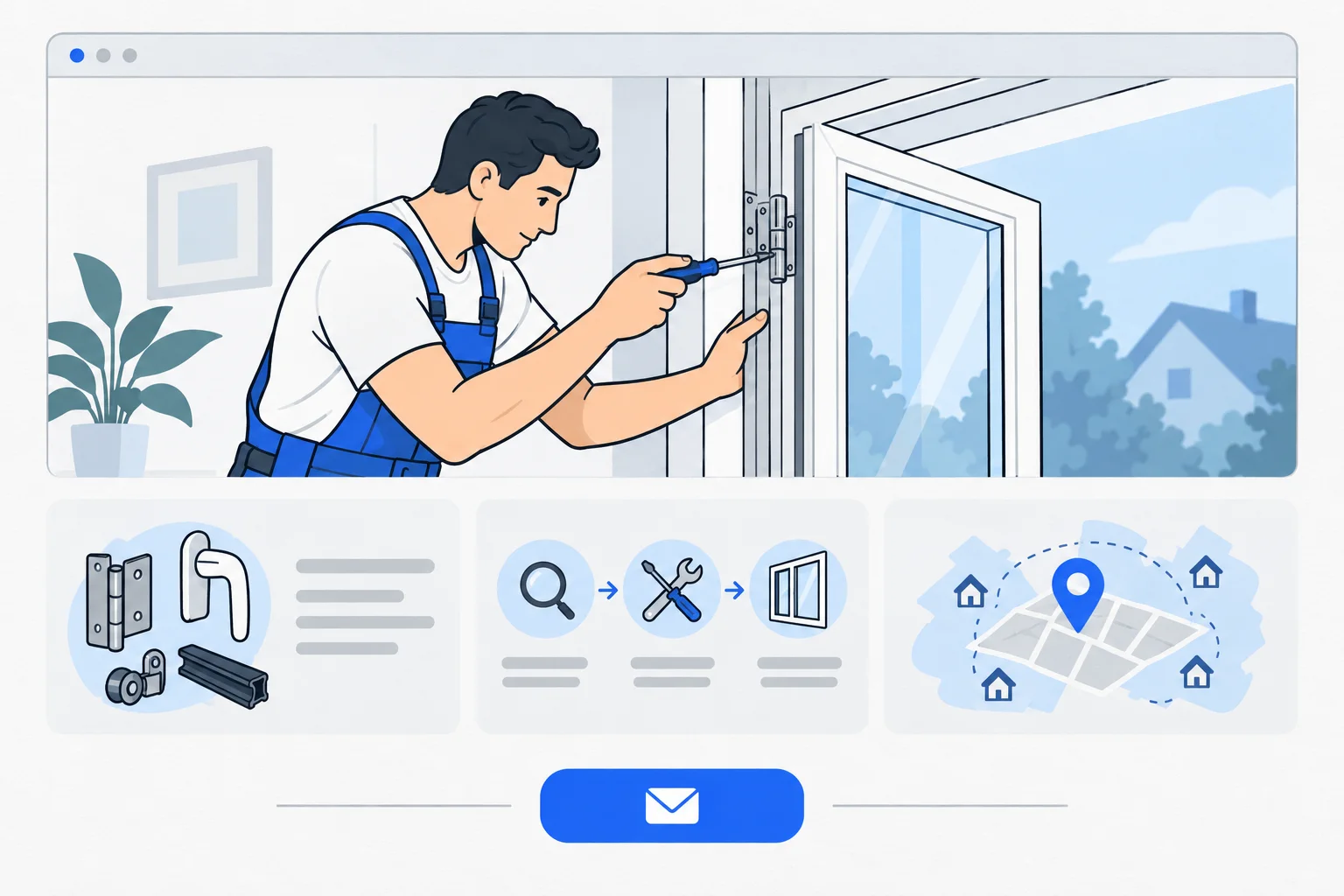
The decision the page should support
A visitor needs to decide whether the business can help with their situation. “Quality service” is insufficient. Explain the subject of the service, how it works and what happens after the next action.
GOV.UK’s content-design guidance starts with the task a person needs to complete. That is a useful editorial principle here, although public-service guidance is not a commercial conversion formula. Ask what information the prospect lacks for their decision. User needs
Details worth making explicit
Identify the service and who it suits, then explain its scope, process, delivery location or method, pricing basis and conditions. If pricing depends on an assessment, describe that dependency honestly.
| Customer uncertainty | Useful answer |
|---|---|
| Is this for me? | Typical situations and limits of the service |
| What will I receive? | Specific work, deliverables and exclusions |
| How does it start? | Steps following the initial enquiry |
| What does it cost? | Actual price or factors determining a quote |
| What supports the claims? | Verifiable expertise and genuine references |
An exclusion need not weaken the offer. Knowing what the company does not undertake can prevent misunderstanding before a consultation.
Example: sofa cleaning
Imagine a cleaning company whose prospects want to know which fabrics it handles, what affects price, how long furniture will be unusable and whether it serves their address. Answer from the actual operating process.
A separate article can explain stain types or preparation. The service page should keep the purchasable offer clear. Someone searching “how to clean my sofa at home” may have a different search intent from someone choosing a provider.
How other page types support it
A location page describes a real place, including directions and local contact details. One service page may cover several locations; genuine differences should be explained where they matter.
A case study describes a particular completed project. An article teaches or explains. These pages can support the decision without repeating the same offer description everywhere.
Make the next action understandable
A call to action should say what happens after clicking. Requesting a quote, booking an appointment and purchasing immediately are different actions. Important conditions should be accessible before submission.
Meaningful link text and context help readers and search engines understand a destination. Google’s link guidance An article linking to a service page should name the actual service and make a promise that the destination fulfils.
A concrete service description should explain the task, scope and expected handoff. Setting expectations about timing, responsibilities and exclusions helps readers decide whether the offer fits their situation.