Search results and measurement
Pageview: meaning and practical example
A pageview is an analytics event recording the display of a web page. One person can produce multiple views through repeat visits or navigation. Pageview counts therefore differ from visitor counts and search impressions.
Also known as: page_view · page views
At a glance
- A pageview is an event, not a unique person.
- Automatic and manual tracking can duplicate views unless coordinated.
- Verify measurement of navigation within an application separately.
On this page
What does one pageview mean?
It indicates that measurement recorded a web page appearing. Google Analytics names the event page_view. Trigger conditions depend on site architecture and tracking settings, so understand implementation before interpreting the count.
Google's default behavior can associate views with page loads and configured browser-history changes. The event can include title and URL, identifying the content viewed.
How does it differ from visitors and sessions?
One person can open several pages, return to an article or refresh. Depending on settings, these can create additional views. Ten pageviews do not establish ten distinct people.
A session groups related activity. Opening a homepage, guide and service page could produce one session with three pageviews. Users, sessions and views answer different questions.
Why is it different from a search impression?
A search impression concerns a result appearing in search; a pageview concerns website measurement. Seeing a result without clicking does not create a tracked website view.
The systems can also use different time handling, processing and collection conditions. People may arrive through email, direct links or internal navigation. Search performance and content consumption are related but not interchangeable.
Example: three openings by one reader
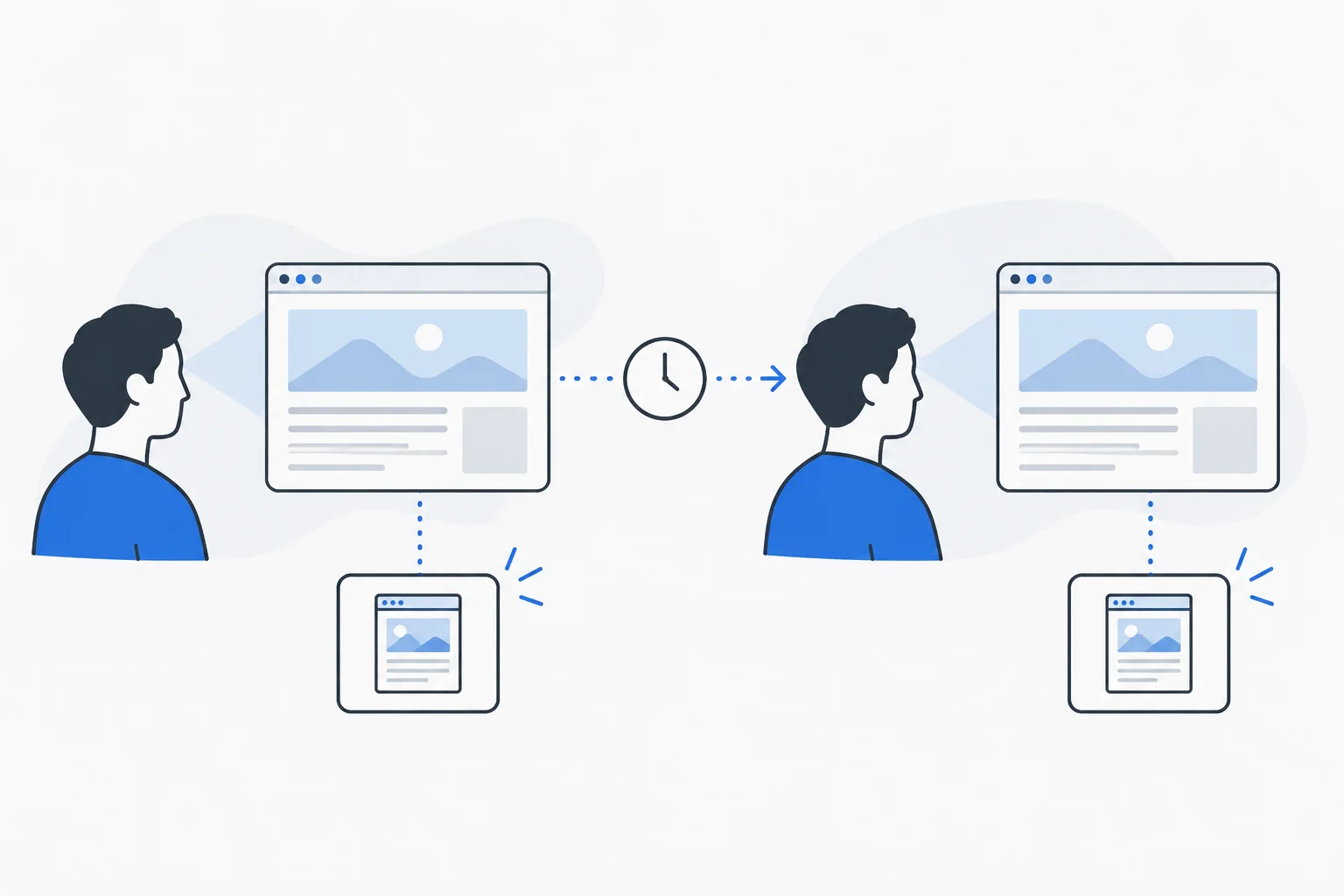
Imagine someone opening an accountant's article in the morning, refreshing it and returning that afternoon. Depending on the recorded events, this can create several views from the same person.
Following an internal link creates a view associated with another piece of content. This fictional example does not assume perfect cross-device identification. Views describe recorded openings rather than a definitive register of humans.
Repeated use of a guide can be valuable, but repeated loads alone establish neither satisfaction nor purchase intent.
What causes duplicates or missing views?
Manually sending a pageview alongside automatic tracking can count one opening twice. Google explicitly warns about this. In single-page applications, review enhanced measurement of browser-history changes too; disabling one switch may not stop every automatic signal.
The opposite failure also occurs: the initial page is measured while in-app navigation produces no new events. SPA guidance covers virtual navigation. Test forward and back navigation as well as fresh loads.
How should the number inform decisions?
Consider the page's purpose, associated visits and subsequent actions. Engagement rate adds context without replacing evaluation of the reader's task and business results.
Investigate distribution and tracking changes when counts jump. A campaign can bring genuine visitors; new tracking code can duplicate events. Clarify which situation occurred before making the next editorial decision.