Problem-solving content: help a reader overcome a specific obstacle
Problem-solving content helps a reader address a defined difficulty. It describes the relevant symptoms or circumstances, explains plausible causes and offers appropriate next steps. The answer may be a procedure, a decision or knowing when further help is needed.
At a glance
- A symptom does not always identify its cause.
- Explain the conditions under which a suggested step applies.
- A useful answer can tell the reader when to stop and seek help.
On this page
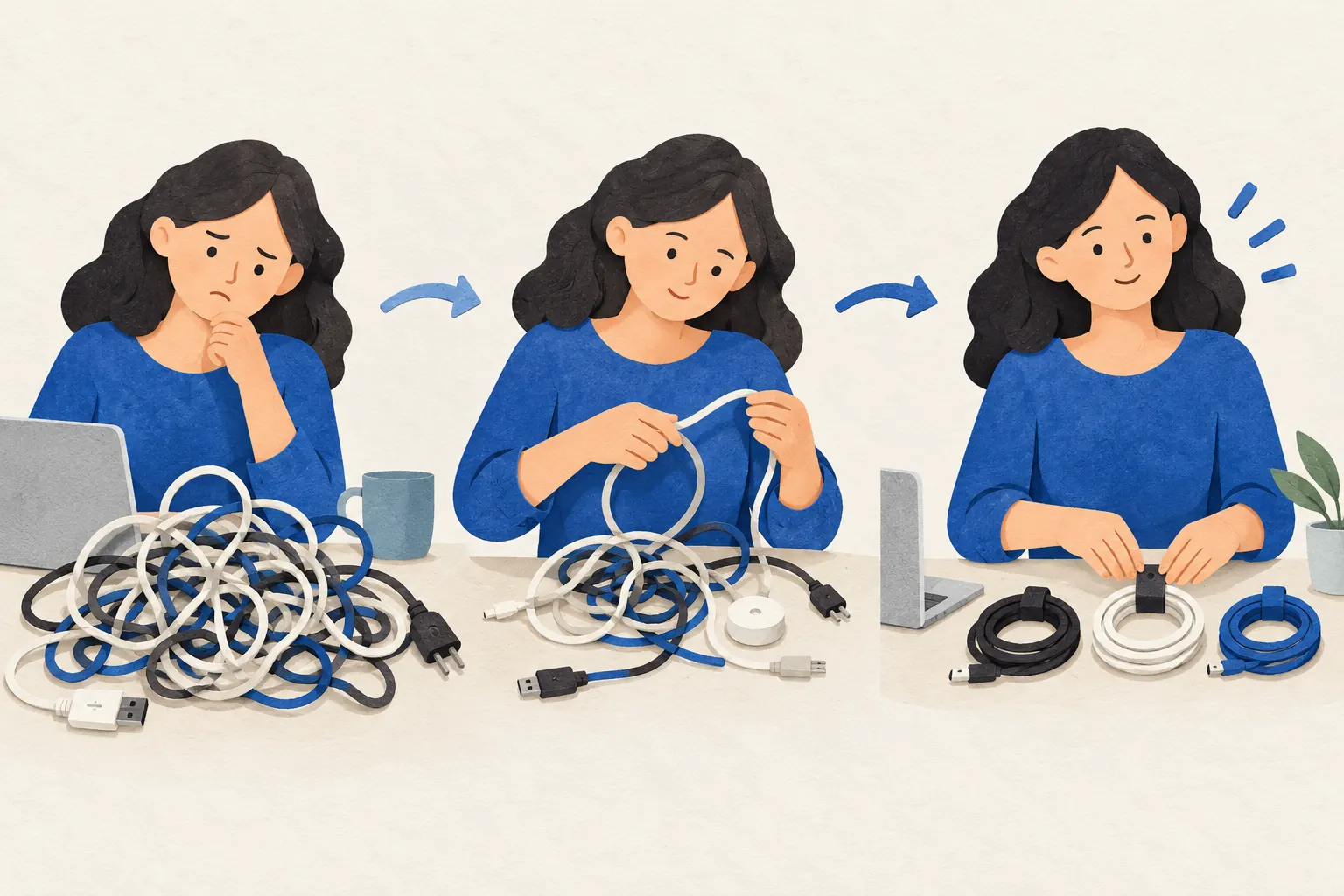
Name the obstacle precisely
“My booking enquiry receives no reply” is more useful than “communication problems.” A defined situation lets the writer explain what to check and what cannot be concluded yet. GOV.UK’s user-needs guidance connects useful content with the task a person is trying to complete.
Use the reader’s wording, then clarify any ambiguity. A customer pain point can reveal the subject, but the article still needs a manageable boundary: one problem, an identifiable audience and a realistic outcome.
Separate symptoms, causes and actions
A symptom is what the reader observes. A cause explains why it may happen. An action is what they can sensibly do next. Jumping straight from symptom to a single confident diagnosis can mislead someone whose circumstances differ.
Start with low-risk checks that fit the situation. Explain what each check establishes, what information to retain and when another person must investigate. A how-to guide can cover a known procedure; problem-solving content may first need to determine which procedure, if any, applies.
Example: a missing event confirmation
Imagine a local craft studio explaining what to do when a workshop confirmation has not arrived. The guide suggests checking the email address supplied, the spam folder and the order reference, then contacting the studio through its verified contact page.
It should distinguish a missing message from an unsuccessful booking. The studio must confirm the actual reservation record. Asking the customer to pay again before that check could create a second booking rather than resolve the first problem.
Design a useful endpoint
The reader should finish knowing either what to do or what to ask. Include the information needed for a support request, such as the workshop date and booking reference, without encouraging public disclosure of personal details.
A short checklist can make the final checks easier, but it cannot replace the explanation when choices depend on different circumstances. Review the article against actual support questions and update it when the process changes. Success is a resolved or properly escalated problem, not merely a visit to the page. Avoid claiming that a general explanation has diagnosed an individual customer’s situation.