Search results and measurement
New user: meaning, examples and practical use
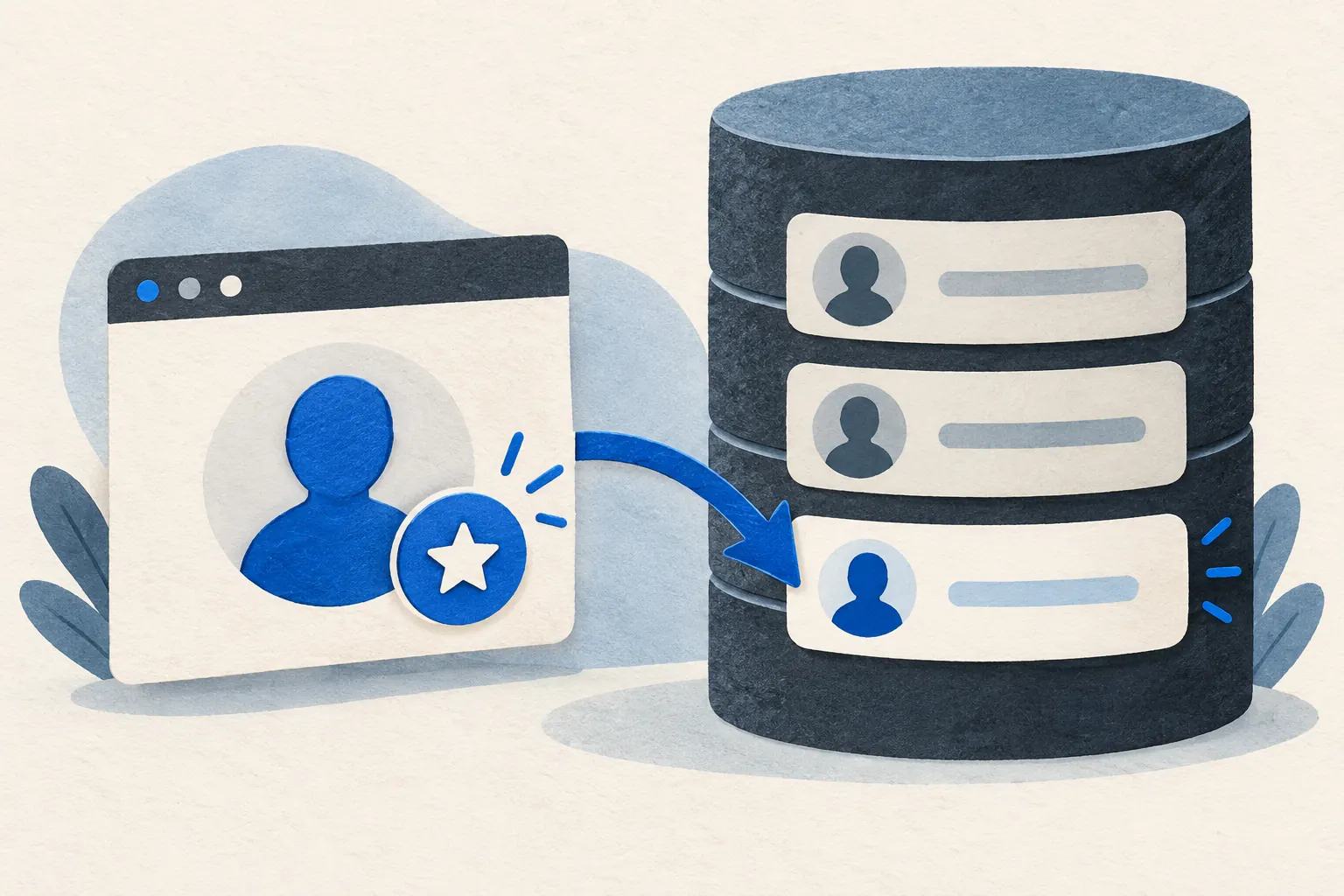
A new user in GA4 is a distinct measured user associated with a first-visit or first-open event during the selected period. This is newness within the measurement system, not proof that the person has never encountered the business on any device before.
Also known as: Új felhasználó
At a glance
- “New” refers to the first visit observed under the measurement rules.
- A new browser or identifier can make a known person appear new.
- A new user is not the same as a new customer.
On this page
What triggers the classification?
Google's definition connects the metric to first_visit or first_open events. Identification also depends on platform and measurement settings. A newly observed identifier does not necessarily represent a person's first encounter with the brand.
Why can a familiar person appear new?
Another device, a new browser or a lost stored identifier can prevent visits from being connected. “Entirely new people” can therefore be a stronger claim than the evidence supports. Returning user counts require the same attention to identification conditions.
Example: phone followed by laptop
Imagine someone reading an article on a phone and returning on a laptop. Without appropriate identity connection, two new identifiers may appear. That does not establish two people or twice the commercial reach.
Which question can the metric help answer?
The user acquisition report helps examine sources associated with first observed arrivals. New customer counts should instead come from the business system using actual purchases or an agreed customer definition. Keep acquisition analysis and commercial records distinct while reconciling them where possible.