Content personalization: adapting the answer to the reader
Content personalization is adapting the content a person receives to relevant information about their context, preferences or needs, while preserving the underlying facts and offer conditions.
At a glance
- Change the explanation because the reader’s situation differs.
- A useful default is necessary when the system lacks reliable context.
- Personalization should not invent personal knowledge or hide important conditions.
On this page
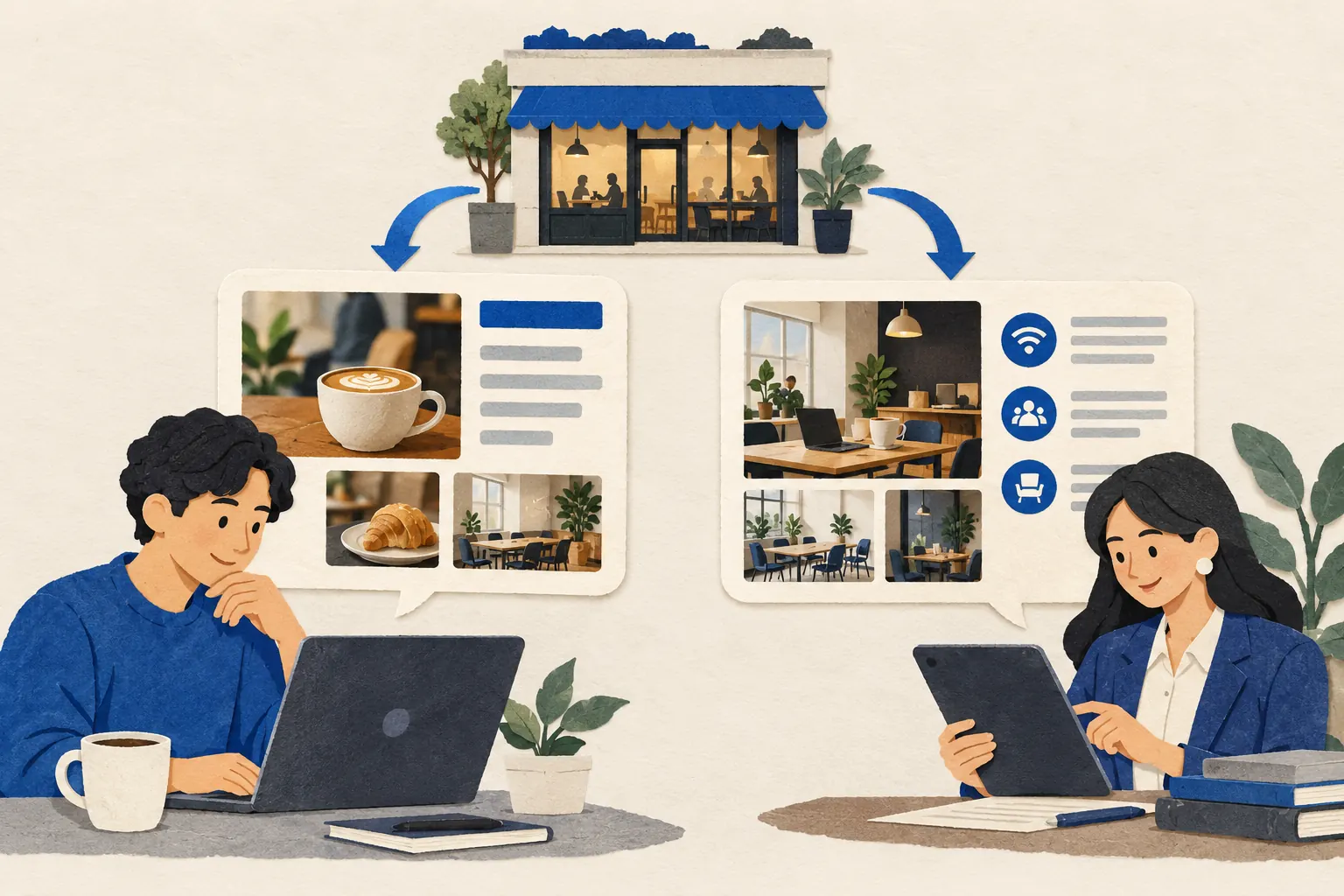
What changes, and what stays the same?
A website might highlight a different example, recommend a related guide or change the order of explanatory material. Mailchimp describes website personalization as adapting an experience using information about visitors. Content personalization concerns the information and explanation within that experience.
The facts should remain reliable. If a service excludes weekend support, one version must not imply it is included merely because that message appears more attractive to a particular reader.
Start with meaningful differences
A useful difference is connected to a customer need, such as whether someone is preparing their first project or expanding an existing one. A demographic label alone may be a poor guide to the question they need answered.
A market segment groups people for planning; personalization applies relevant context to an actual content experience. Not every group needs its own version. Create a variation only when it changes what the reader needs to understand.
A hypothetical moving-company example
A moving company asks whether the visitor is planning a home move or an office move. After that explicit choice, it highlights different preparation guides: packing personal items in one case, coordinating workstations in the other.
The company is responding to information the person provided, not guessing private circumstances. Directly selecting a preferred experience is often called customization; the site can then personalize its recommendations using that choice. Both routes should still allow readers to reach the other guides.
Keep a useful default and a clear way back
Visitors may decline to answer, share a device or change their plans. The default page should remain informative. A previous interest is not a permanent identity.
Make the selected context visible when it materially affects the explanation. Allow the visitor to change it, and keep essential service conditions accessible in every version. This reduces confusion when someone returns later or forwards a link to another person.
Limits and evaluation
Personalization is not the same as content localization, which adapts material for a language or market. The two can coexist, but they solve different problems.
More variations mean more maintenance. Check whether each version helps readers find the relevant answer, rather than assuming any tailored message improves sales. Responsible use of data needs separate operational care; a marketing label does not establish that the collection or use of information is appropriate.